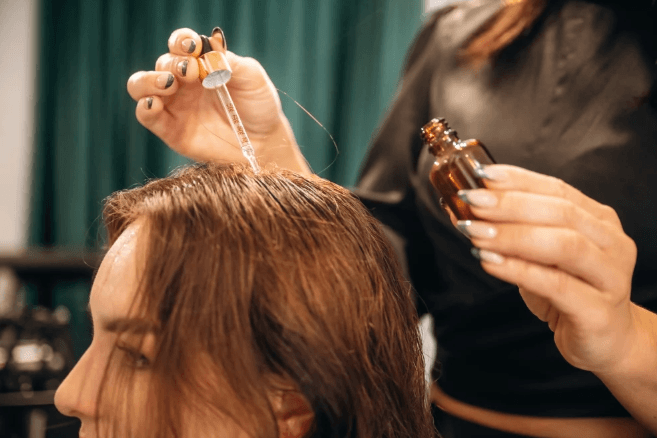
Thinning hair can feel like a slow erosion of confidence, but selecting the right scalp serum can make a meaningful difference. A thoughtful choice begins with understanding what a serum is designed to do: support a healthy scalp environment, deliver active ingredients where they can be absorbed, and complement a broader haircare and medical strategy. Not every formula is created equal, and matching product claims to your specific pattern and cause of hair thinning is the first step toward realistic results.
Know the underlying causes
Thinning hair has many possible origins, including hormonal changes, nutritional deficiencies, stress, genetics, medical conditions, and hairstyling practices. Androgenetic alopecia, the most common form, involves a genetic sensitivity to dihydrotestosterone (DHT) that shortens the hair growth cycle. Other causes, like telogen effluvium, produce diffuse shedding often linked to a trigger such as illness, childbirth, or medication. Identifying the underlying cause—ideally with a dermatologist or trichologist—helps you choose a serum with the right active ingredients and avoids wasting time or money on mismatched solutions.
What ingredients matter most
Active ingredients in serums should have evidence supporting their effect on hair or scalp health. Minoxidil is one of the most well-researched topical options for androgenetic hair loss and can stimulate follicles when used consistently. Peptides and growth factor complexes aim to support the follicle environment and encourage thicker shafts. Natural extracts such as rosemary oil have promising preliminary data when compared to placebo or low-dose pharmaceutical options, while niacinamide can improve scalp barrier function. Ketoconazole, often found in medicated shampoos and occasionally in serums, can reduce scalp inflammation and has secondary benefits for androgenic conditions. For those looking to pair traditional approaches with topical treatments, a targeted hair regrowth serum that lists clinically supported actives and their concentrations is a practical choice. Be wary of serums that rely primarily on trendy botanicals without transparent formulations or studies to back their claims.
Consider formulation and delivery
A serum’s base and delivery system influence how well actives penetrate the scalp. Lightweight, water-based serums with small-molecule actives are often absorbed more readily than heavy oils that sit on the surface. Solubilizers, mild alcohols, and liposomal carriers can enhance delivery but may also increase irritation in sensitive scalps. Look for products that balance efficacy with gentleness: humectants like glycerin and hyaluronic acid hydrate without clogging pores, while anti-inflammatory ingredients such as panthenol or low-concentration niacinamide soothe. Packaging matters too. Opaque bottles with droppers or pump applicators reduce oxidation and contamination, preserving potency over time.
Safety, tolerability, and realistic expectations
Topical treatments can cause irritation, redness, or increased shedding initially as the hair growth cycle resets. Conduct a simple patch test before full application and start with lower frequency to assess tolerance. If a serum contains minoxidil or other medicated actives, follow concentration guidelines and consult a healthcare professional if you are pregnant, breastfeeding, or taking interacting medications. Real progress with topical treatments is gradual; most people observe meaningful change only after three to six months of consistent use, with optimal results often requiring longer. Setting this timeline prevents premature switching between products and gives effective formulas the time they need to work.
How to evaluate claims and clinical evidence
Marketing can blur the line between compelling storytelling and scientific accuracy. Credible serums will cite clinical trials, specify ingredient concentrations, and describe the study population. Pay attention to whether a study used the exact product in question or merely ingredients in isolation. Small, single-arm trials and company-funded studies may offer preliminary insight but carry limitations. Look for independent research, peer-reviewed publications, or real-world evidence from clinicians. Consumer reviews can offer anecdotal context but should not replace data. When in doubt, choose a serum that aligns with well-established mechanisms for hair preservation and restoration rather than one that promises overnight miracles.
See also: How OTF Knives Work: A Simple Guide to the Out-the-Front Mechanism
Integrating a serum into your routine
Applying a serum correctly amplifies its effectiveness. For most formulas, applying to a clean, dry or towel-damp scalp and massaging gently promotes absorption and blood flow. Avoid applying immediately after hot showers, which can increase irritation, and follow product instructions on frequency and quantity. Combine topical serums with supportive practices: maintain a balanced diet rich in protein, iron, zinc, and vitamins; minimize tight hairstyles and harsh chemical treatments; and manage stress through sleep and relaxation techniques. If you are using oral medications or undergoing treatments like PRP or laser therapy, coordinate with your clinician to ensure complementary scheduling and avoid contraindications.
When to seek professional guidance
If shedding is sudden, patchy, accompanied by itching or scaling, or associated with other health changes, seek medical evaluation. A specialist can run appropriate blood tests, scalp biopsies, or hormone panels and recommend targeted therapies. For genetic or advanced hair loss, combining topical serums with prescription options or clinical procedures may yield the best outcomes. Regular check-ins allow you to track progress, adjust treatment plans, and prevent long-term follicle miniaturization.
Choosing a long-term partner
Selecting a scalp serum is not an isolated purchase but the start of a long-term relationship with your hair health. Favor transparent brands that share ingredient lists, concentrations, and evidence. Prioritize gentle yet effective formulations and realistic marketing. A well-chosen serum becomes part of a broader regimen that includes scalp care, nutrition, and medical oversight when necessary. With patience and informed selection, a targeted scalp serum can support thicker-looking hair, a healthier scalp, and greater confidence over time.